Dispossesions in the Americas

Dispossesions in the Americas

  • Home
  • Explore
  • About
  • Authors
  • Art
  • Bodies
  • Curricula
  • Cultural Heritage
  • Maps
  • Territories
Back to Explore
Map Commentary 1869

The Frontier of the Argentine Republic to the North and East of the la Pampa Territory in 1869

  • Cunial, Santiago L.

  • Falleti, Tulia G.

Published: 2024

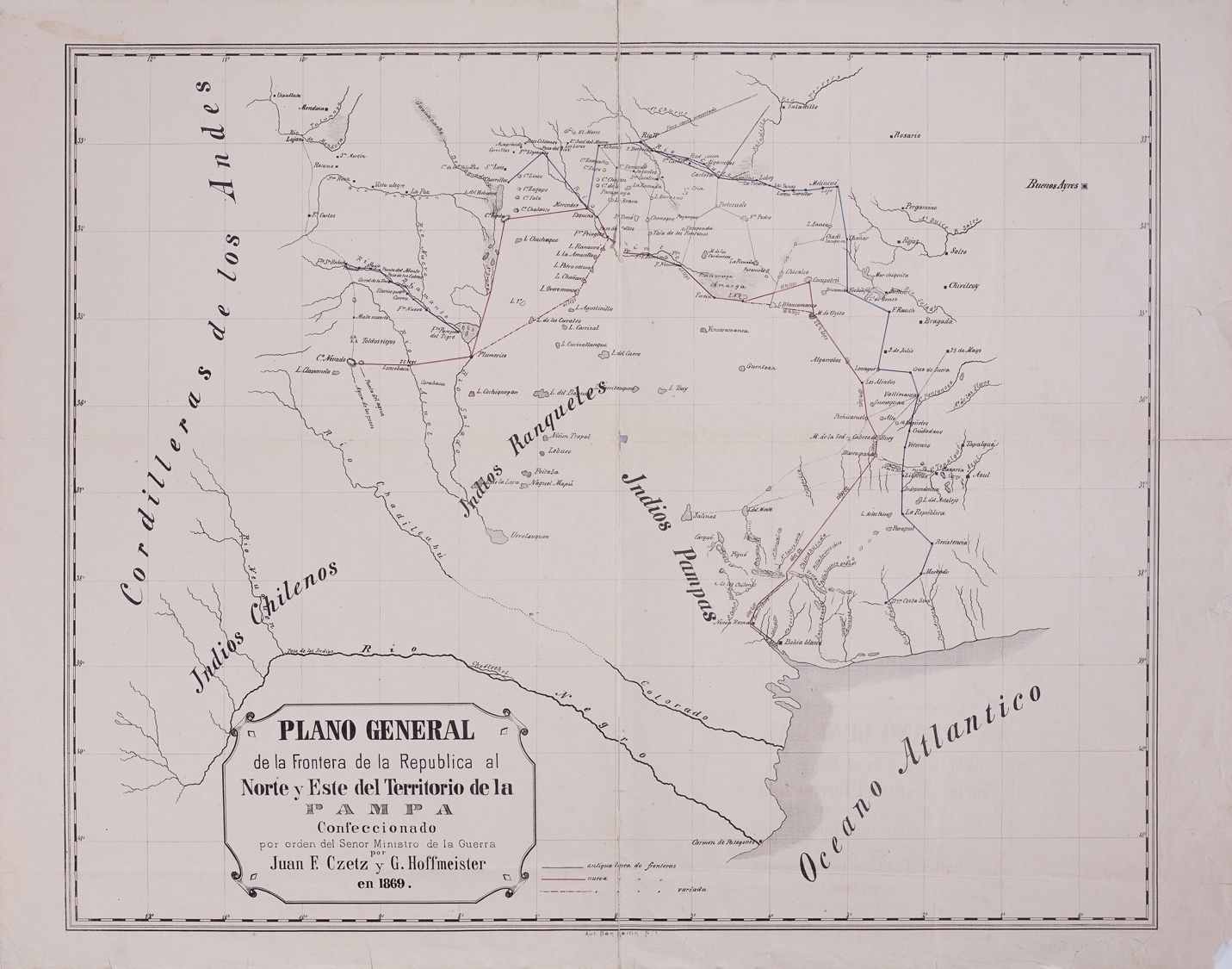
Juan Czetz and G. Hoffmeister. *Plano general de la frontera de la República al norte y este del territorio de la Pampa*. Map. Buenos Aires, 1869

Juan Czetz and G. Hoffmeister. Plano general de la frontera de la República al norte y este del territorio de la Pampa. Map. Buenos Aires, 1869

Abstract

The Minister of War of Argentina commissioned this map, which was created by Juan F. Czetz and G. Hoffmeister in 1869. It depicts the geography of what is now central Argentina or part of the provinces of Buenos Aires (with the city of Bahia Blanca to the south), Santa Fe (with the city of Rosario marked in the map), Córdoba (see Rio Tercero in the north of the map), La Pampa, Mendoza (with Uspallata and Rio Luján marked in the map), and Neuquén. It goes from the Rio Tercero in the North to the Rio Negro in the South. The map shows the previous (in blue) and new (in red) lines of the frontier of the then young Argentina Republic.

With its founding constitution from 1853, the Argentina Republic was just 16 years old at the time this map was drawn. Red dotted lines (to the south and west of parts of the red border) represent new “variable” borders. In fact, all these borders were contested. Those the army called “Indios Ranqueles,” “Indios Pampas,” and “Indios Chilenos” – the Indigenous or Originary peoples we today identify as Ranqueles, Mapuches, and Tehuelches– inhabited this region at the time, as the map shows. The blue and red lines are dotted by forts and military posts (Fortin or Fin. and Fuerte or Fte. or Fe.). See, for example: Fortin, Fin. S.Ignacio, Fte. San Rafael, Fte.Nuevo, Fte. Pampa del Tigre, F.Necochea, Fe.F.Sarmiento, and Fte. Pringles. Along the red and dotted red lines we also see distances (measured in leguas—or leagues, one league is about 3 miles or 5 kilometers). There are, moreover, names of places that depict possible Indigenous occupation such as Toldos viejos, in addition to the regions marked with the Indigenous populations’ names. As we can see, the extension of the frontier west and south and the war campaign of the Argentine Republic collided with the territories occupied by these Indigenous populations. The military campaign known as the Conquista del Desierto (Conquest of the Desert) would start just over a decade later, in 1878. This map is particularly interesting in that it shows the strategic decision of the Argentine government to expand its borders by removing Indigenous communities and occupying their lands.

Map citation

Czetz, Juan, and G. Hoffmeister. Plano general de la frontera de la República al norte y este del territorio de la Pampa. Map, 50 x 62 cm. Buenos Aires, 1869. Map collection, Biblioteca Nacional Mariano Moreno Accessed November 1, 2021.

Citation

Cunial, Santiago L., and Tulia G. Falleti. 2024. 'The Frontier of the Argentine Republic to the North and East of the la Pampa Territory in 1869'. Dispossessions in the Americas. https://staging.dia.upenn.edu/en/content/ARG0046Y/
Reading in Spanish

Map Commentary 1869

La frontera de la República Argentina al norte y al este del territorio de la Pampa en 1869

  • Cunial, Santiago L.

  • Falleti, Tulia G.

Published: 2024

Juan F. Czetz y G. Hoffmeister. *Plano general de la frontera de la República al norte y este del territorio de la Pampa*. Map. Buenos Aires, 1869

Juan F. Czetz y G. Hoffmeister. Plano general de la frontera de la República al norte y este del territorio de la Pampa. Map. Buenos Aires, 1869

Reading in Portuguese

Map Commentary 1869

A fronteira da República Argentina ao norte e ao leste do território da Pampa em 1869

  • Cunial, Santiago L.

  • Falleti, Tulia G.

Published: 2024

Juan F. Czetz e G. Hoffmeister. *Plano geral da fronteira da República* *ao norte e ao leste do território da Pampa*. Map. Buenos Aires, 1869

Juan F. Czetz e G. Hoffmeister. Plano geral da fronteira da República ao norte e ao leste do território da Pampa. Map. Buenos Aires, 1869

Resumo

O Ministro de Guerra da Argentina solicitou este mapa, que foi criado por Juan F. Czetz e G. Hoffmeister, em 1869. Representa a geografia do que hoje é o centro da Argentina ou parte das províncias de Buenos Aires (com a cidade de Bahia Blanca ao sul), Santa Fé (com a cidade de Rosário indicada no mapa), Córdoba (ver Rio Terceiro no norte do mapa), La Pampa, Mendoza (com Uspallata e Rio Lujan indicados no mapa) e Neuquén. Abrange desde o Rio Terceiro, no norte, até o Rio Negro, no sul. O mapa mostra as linhas anteriores a 1869 (em azul) e as linhas naquele momento recentes (em vermelho) da fronteira do país que nesse momento era a jovem República Argentina.

Como a constituição fundacional do país é de 1853, a República Argentina tinha apenas 16 anos quando este mapa foi feito. As linhas vermelhas pontilhadas (ao sul e ao oeste de partes da fronteira vermelha) representam novas fronteiras “variáveis”. De fato, todas estas fronteiras estavam em disputa. Aqueles a quem o exército chamava “Índios Ranqueles”, “Índios Pampas” e “Índios Chilenos”, os Povos Indígenas ou Originários que hoje identificamos como Ranqueles, Mapuches e Tehuelches, que habitavam esta região nesse momento, como mostra o mapa. As linhas azuis e vermelhas estão salpicadas de fortes e postos militares (Fortim ou Fim. e Forte o Fte. ou Fe.).

É preciso ver, por exemplo, as referências a: Fortim, Fim. S. Ignácio, Fte. San Rafael, Fte. Nuevo, Fte. Pampa del Tigre, F. Necochea, Fe. F. Sarmiento e Fte. Pringles. Ao longo das linhas vermelhas e vermelha pontilhada, vemos também as distâncias (medidas em léguas - uma légua equivale a umas 3 milhas ou 5 quilômetros). Além disso, há nomes de lugares que indicam a possível ocupação do território por grupos indígenas, como Toldos velhos, além das regiões marcadas com os nomes das populações indígenas mencionadas antes. Como podemos ver, a extensão da fronteira para o oeste e o sul, e a campanha de guerra da República Argentina, esbarraram com os territórios ocupados por estas populações indígenas. A campanha militar conhecida como a Conquista del Desierto começaria pouco mais de uma década depois, em 1878. Este mapa é particularmente interessante porque mostra a decisão estratégica do governo argentino de expandir suas fronteiras eliminando as comunidades indígenas e ocupando suas terras.

Citação do mapa:

Czetz, Juan, e G. Hoffmeister. Plano general de la frontera de la República al norte y este del territorio de la Pampa. Mapa, 50 x 62 cm. Buenos Aires, 1869. Coleção de mapas, Biblioteca Nacional Mariano Moreno, acessado no dia 1 de novembro de 2021.

Citation

Cunial, Santiago L., and Tulia G. Falleti. 2024. 'A fronteira da República Argentina ao norte e ao leste do território da Pampa em 1869'. Dispossessions in the Americas. https://staging.dia.upenn.edu/pt/content/ARG0046Y/

Related Content

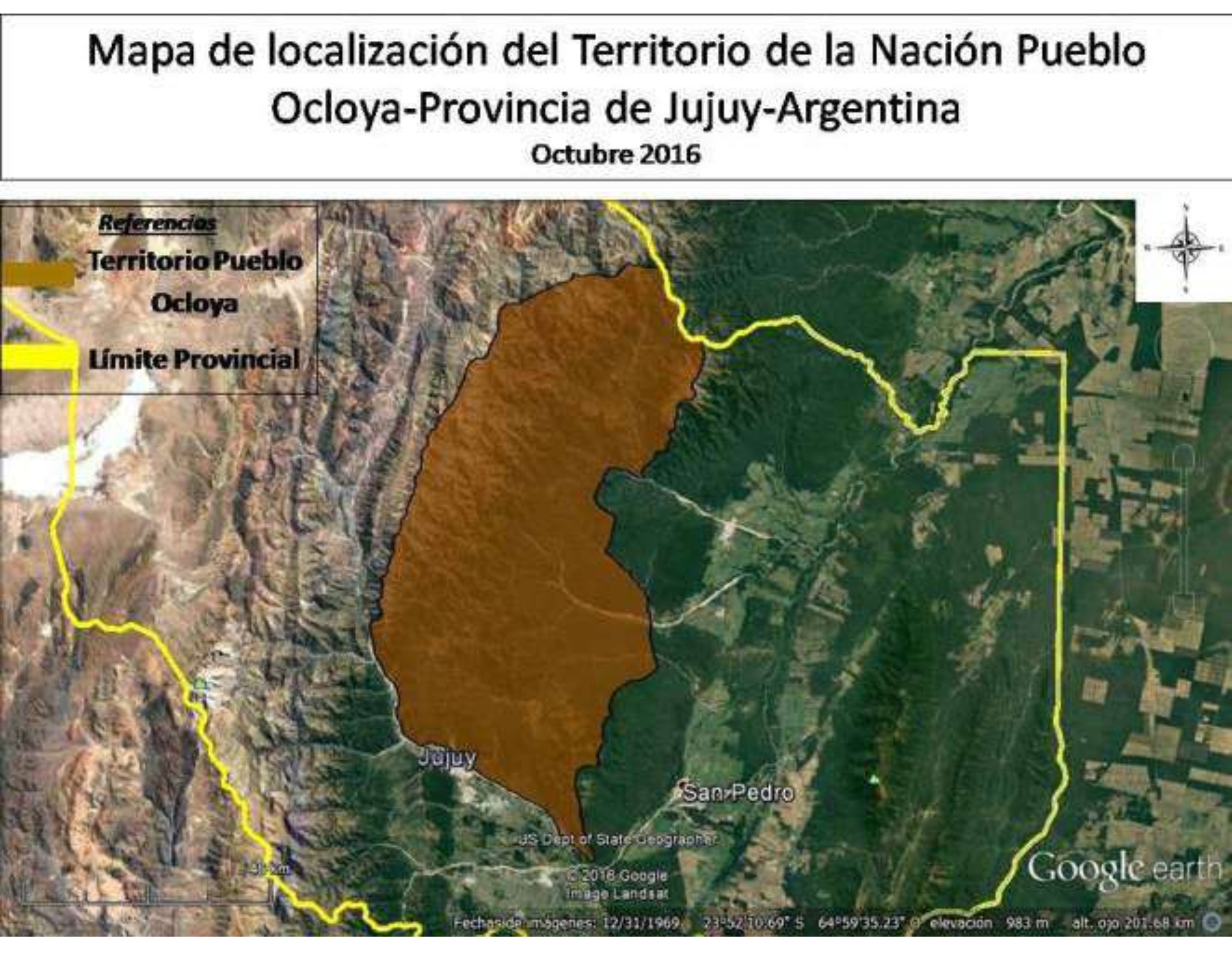
Mapa de localización del Territorio de la Nación Pueblo Ocloya-Provincia de Jujuy-Argentina

Mapa de localización del Territorio de la Nación Pueblo Ocloya-Provincia de Jujuy-Argentina

Map 2016

KART VON OST-BRASILIEN. CARTE GÉOGRAPHIQUE DE LA PARTIE ORIENTALE DE L'EMPIRE DU BRÉSIL

KART VON OST-BRASILIEN. CARTE GÉOGRAPHIQUE DE LA PARTIE ORIENTALE DE L'EMPIRE DU BRÉSIL

Map 1831
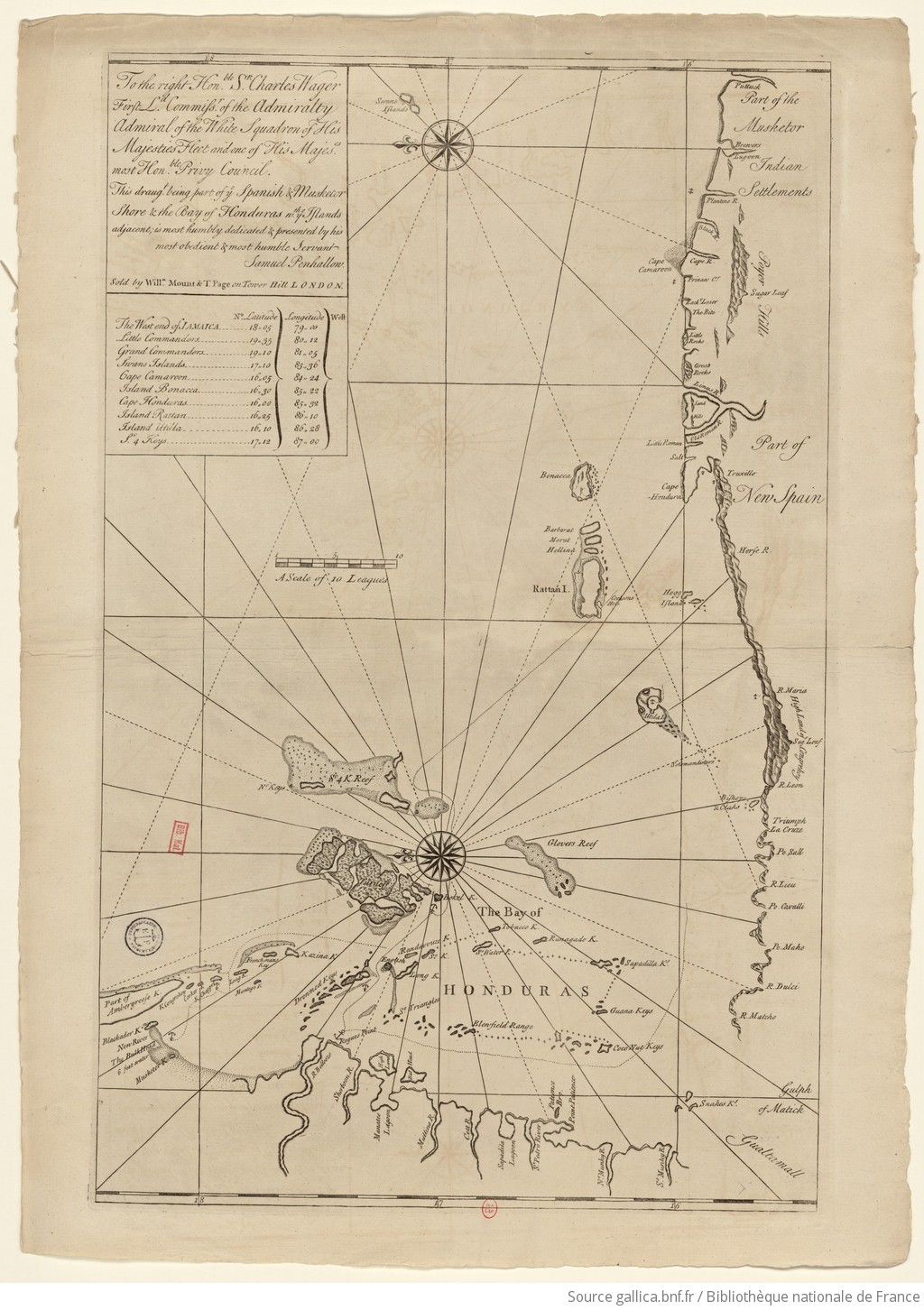
The Spanish and Musketor shore and the bay of Honduras and the islands adjacent

The Spanish and Musketor shore and the bay of Honduras and the islands adjacent

Map 1735
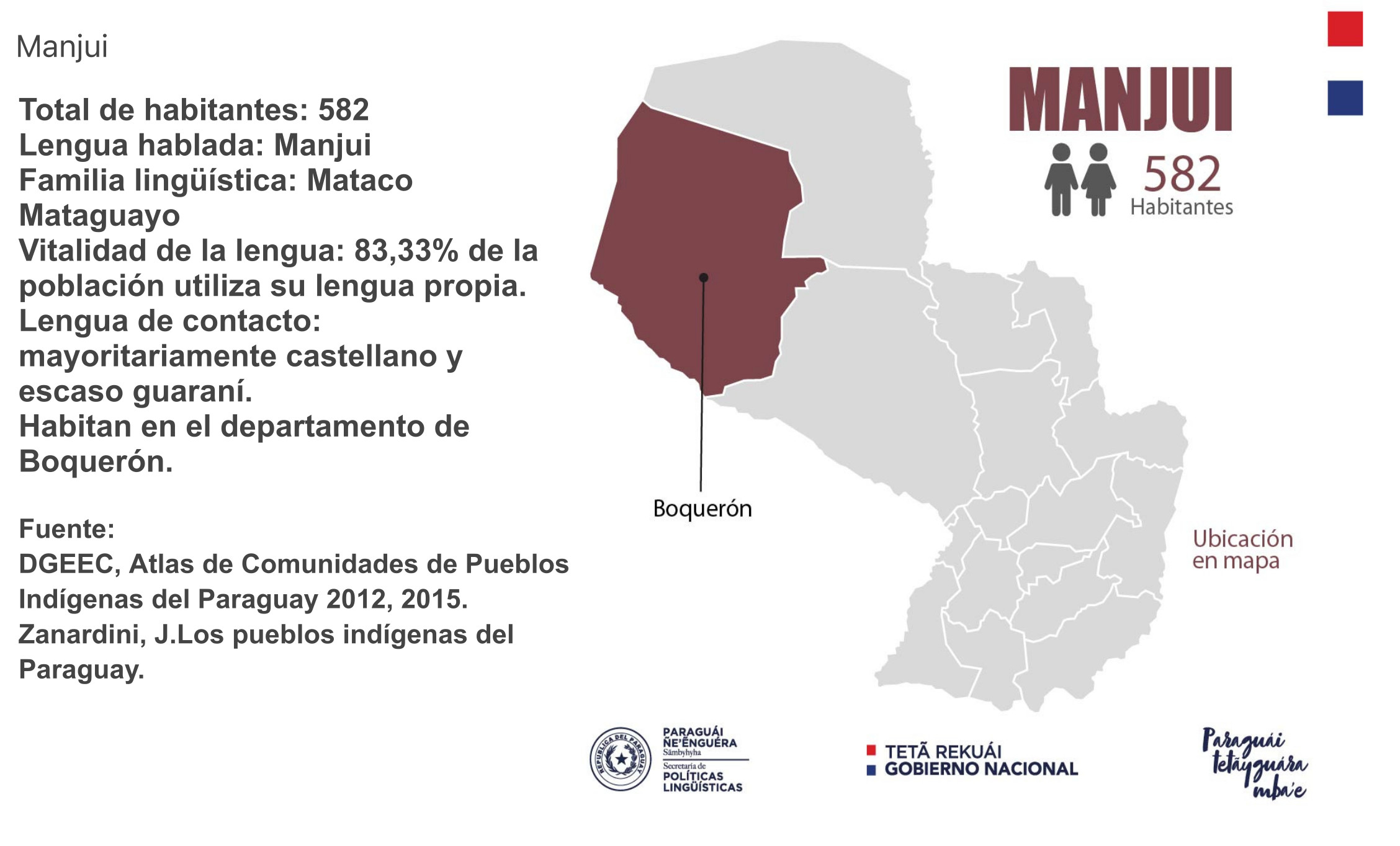
MANJUI

MANJUI

Map 2015
The Eight Pueblos, 1947

The Eight Pueblos, 1947

Map 1947
PUEBLO SHARANAHUA

PUEBLO SHARANAHUA

Map 2021
O impossível [The Impossible]

Museum of Modern Art of Rio de Janeiro
Donated by the artist

O impossível [The Impossible] Museum of Modern Art of Rio de Janeiro Donated by the artist

Artwork
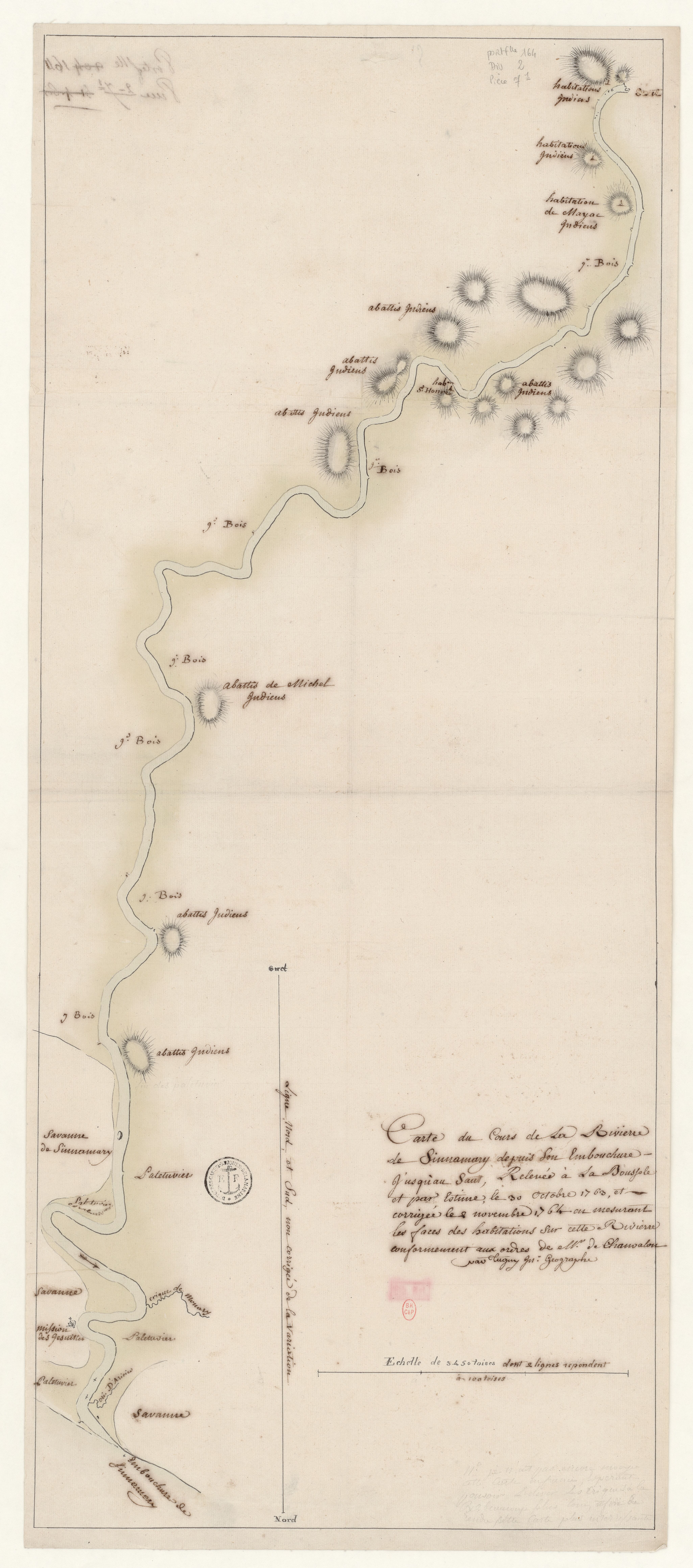
Carte du cours de la rivière de Sinnamary depuis son embouchure jusqu'au saut, relevée à la boussole et par estime, le 30 octobre 1763, et corrigée le 8 novembre 1764 en mesurant les faces des habitations sur cette rivière conformément aux ordres de Mr. de Chauvalon.

Carte du cours de la rivière de Sinnamary depuis son embouchure jusqu'au saut, relevée à la boussole et par estime, le 30 octobre 1763, et corrigée le 8 novembre 1764 en mesurant les faces des habitations sur cette rivière conformément aux ordres de Mr. de Chauvalon.

Map 1764

Dispossessions in the Americas

A project by

University of Pennsylvania

Copyright 2024

With support from

Mellon Foundation

Site design & development

Element 84

Art Credits

Juan Czetz and G. Hoffmeister. Plano general de la frontera de la República al norte y este del territorio de la Pampa. Map. Buenos Aires, 1869

Site Pages

  • Home
  • Explore
  • About
  • Authors
  • Art
  • Bodies
  • Curricula
  • Cultural Heritage
  • Maps
  • Territories