Abstract
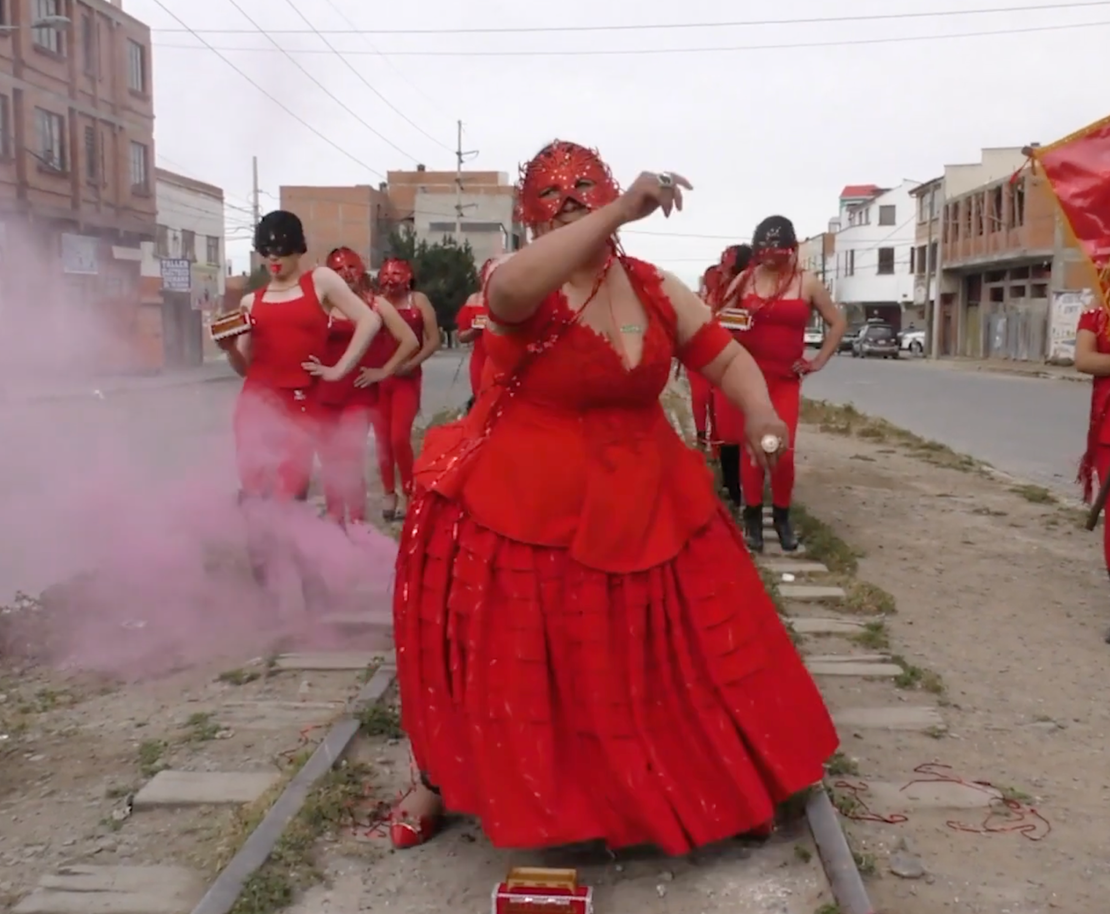
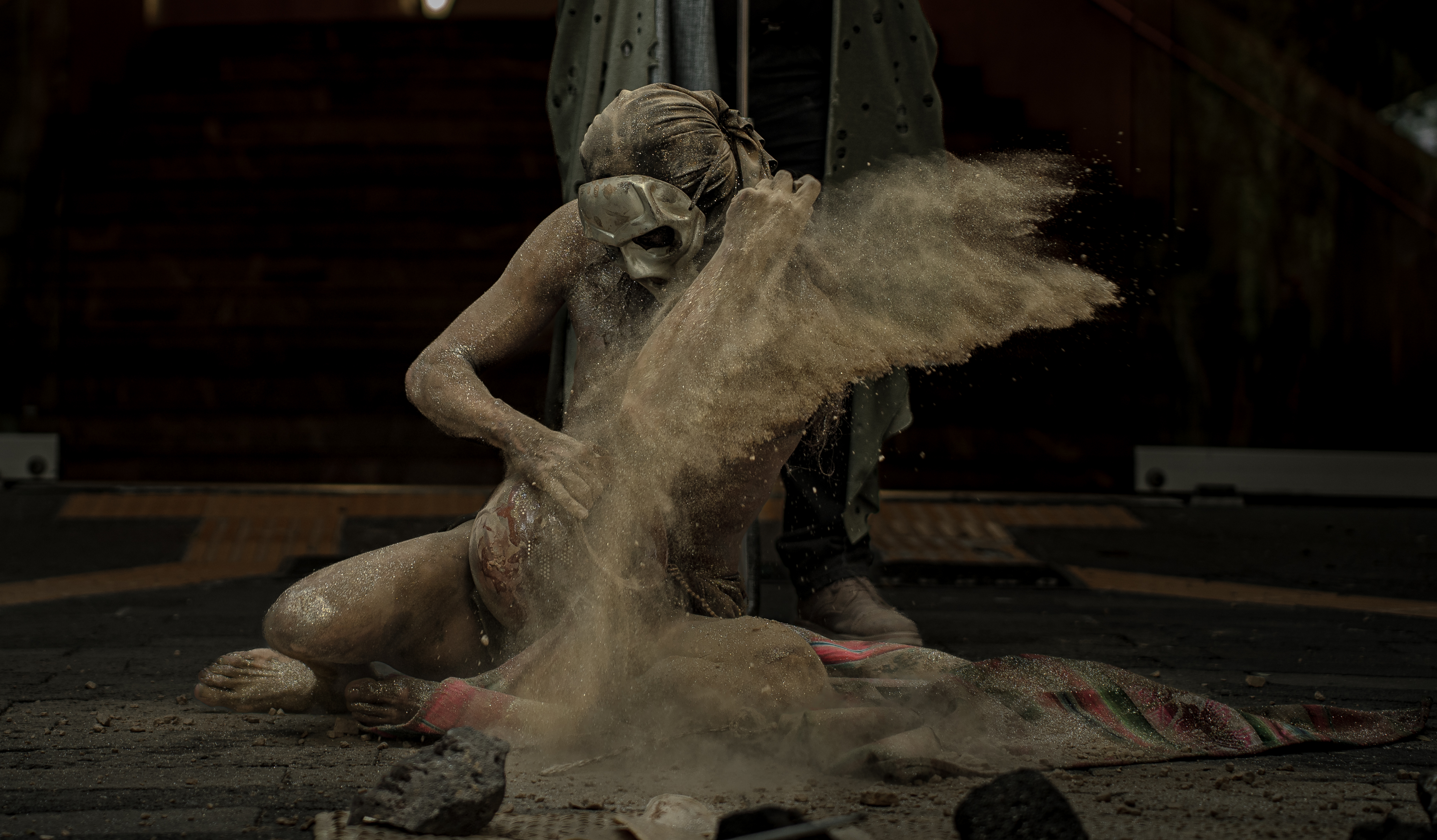
Black Vein – Variation is a performance that explores the historical dispossession of Indigenous bodies through the lens of colonial mining practices in Mexico. Drawing on the concept of paramnesia—distorted memory—the piece traces erased Afro-Mexican and Indigenous genealogies embedded in the mining towns of Hidalgo, where forced labor fueled the colonial economy. By invoking the African and Indigenous presence in mines like Pachuca and Real del Monte, the work confronts the exploitation of racialized bodies subjected to brutal conditions, especially through the deadly silver amalgamation process involving mercury. The performance becomes a macabre dance, a ritualized remembrance of the thousands who perished from silicosis and toxic exposure. Through movement, material, and memory, Black Vein – Variation reveals how colonial extraction not only looted the earth but also the bodies and lives of those deemed expendable. The work is both an homage and an insurrection, reclaiming buried histories of resistance and loss. It challenges viewers to confront the ongoing legacies of colonialism and the deep entanglement between mineral wealth and bodily sacrifice.
Black Vein – Variation presents itself as a symptom of paramnesia—a distortion of memory—that attempts to decode an Afro-Mexican root by tracing the genetic path within a body colonized by forgetting. Black Vein – Variation cracks open history to uncover the African bloodline in the mining towns of Pachuca, Real del Monte, and other royal mining sites in the state of Hidalgo, seeking rightful recognition for a heritage that left genealogies in cities colonized and exploited through forced and brutal labor.
Since the mid-16th century, mining in the city of Pachuca was thriving, in part due to the silver amalgamation method developed in 1553 in Pachuca by Bartolomé de Medina. This performance-action is a variation of Black Vein. For All, the Labor of the Black. A Fantastic Paramnesia for a Black Blood Insurrection, premiered in 2023. The performance serves as an invocation of memories—an excavation of mining towns not only in Hidalgo, Mexico, but across the entire territory of Abya Yala, which were central during the colonial period and continue to be essential to Europe’s economic development centuries later, all bound by a black blood that runs from the United States to Chile.
This variation focuses on the body exploited and exhausted to death by the demands of mining productivity. It is a testimony to the thousands of deaths of Indigenous and African slaves caused by forced labor and mercury exposure, a chemical element used in the silver amalgamation process—also known as the patio process developed by Bartolomé de Medina. In this practice, miners extracted ore using mercury (quicksilver), stepping on a mixture of salts that caused a dreadful death known as silicosis, brought on by the inhalation of fine toxic dust that slowly poisoned their bodies.
Citation
Cruz, Carlos. 'Veta Negra -Variación- [Black Vein - Variation -]'. Dispossessions in the Americas. https://staging.dia.upenn.edu/en/art/AMEX001/